
Rhinitis Allergy: Causes, Symptoms, Types & Best Treatment Options
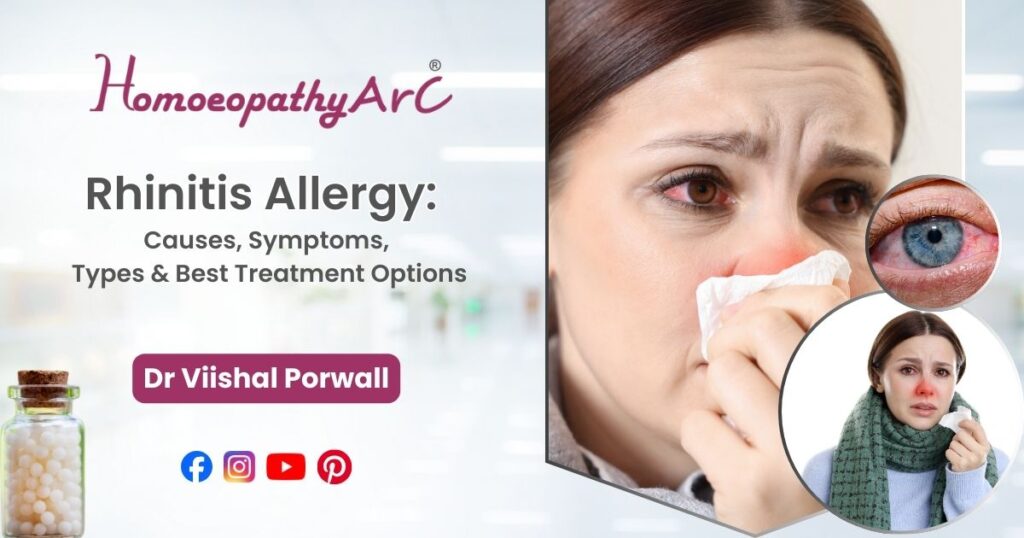
Nasal congestion along with frequent sneezing effects on numerous individuals and seasonal shifts often make symptoms worse. Rhinitis allergy is the inflammation of the nasal passages caused by airborne triggers. Rather than being merely inconvenient, this state may interfere with rest, productivity, and emotional well-being. Insight into its nature helps with more effective handling over time.
Treatment paths differ, yet some explore home-based methods such as those found in homeopathic practice. Rhinitis allergy treatment in Indore offers access to care, though outcomes depend on individual response.
What Triggers Rhinitis Allergy?
Airborne particles are mostly rhinitis allergy causes. During certain times of year, tree, grass, or weed pollen fills the air, becoming a primary trigger in warmer months. Inside buildings, trouble often comes from unseen sources like dust mites, animal dander, mold spores, and even insect waste remain active all year. Breathing them in prompts the body’s defenses to react, releasing substances such as histamine. Swelling and irritation follow naturally from this chain. Despite being called hay fever, no actual fever occurs but it reflects only how the immune system responds when provoked. Pollution, along with smoke, may intensify symptoms due to added nasal irritation. Evidence suggests early-life contact with specific allergens could lead to heightened reactivity later on.
Recognizing the Signs
Rhinitis allergy symptoms often appear soon once contact occurs with irritants. Frequent sneezes arise, alongside nasal discharge or congestion instead of calm breathing. Nasal itch spreads toward the eyes, sometimes reaching the throat or ears unexpectedly. Watery eyes emerge, reddened by irritation and fatigue surfaces along with head pressure for certain people. Mucus trailing into the throat follows, prompting coughs or rawness there because of continuous drainage. A frequent gesture in children involves pushing the nose up, a motion named the “allergic salute”, which may leave a line across the bridge. Appearing much like a common cold, these indicators persist beyond typical duration yet occur without elevated temperature. When blockage prevents normal fluid movement, more intense instances could result in sinus-related infection. During nighttime hours, discomfort tends to intensify, interfering with rest and sometimes producing shaded areas beneath the eyes, referred to as “allergic shiners.”
Different Forms of the Condition
Not every person reacts the same way when exposed to certain particles. At times, symptoms emerge only at particular periods, this kind of pattern ties closely to environmental pollens released by plants. Springtime sees an uptick in sniffles due to these floating irritants. Year-round discomfort often points instead to constant exposure inside homes, where things such as pet dander or household dust circulate quietly through air. Each case follows its own rhythm depending on what fuels it. Occasionally, symptoms appear constantly yet intensify during certain times of the year. Irritants like fumes or sharp odors cause non-allergic types, separate from immune-driven reactions. Involvement of the body’s defense system responding to allergens defines allergic rhinitis.
Finding Relief: Treatment Choices
The best treatment for rhinitis allergy is avoiding irritants, such as using protective bedding covers or limiting access of pets to sleeping areas. Nonprescription histamine blockers minimize comparable signs of allergic rhinitis, like irritation in the nose, as well as sneezing fits. Steroids administered via nose-pushing devices can decrease inflammation, even during extended periods with medical supervision. Decongestants can offer temporary relief from allergic rhinitis, though prolonged use can cause blockage in due course.
In today’s world, very few individuals prefer non-conventional methods, among whom homeopathy for allergic rhinitis is deemed better. By using highly diluted solutions, non-conventional methods attempt to catalyze self-repairing abilities in the human body. Allergic rhinitis treatment in homeopathy, like Galphimia glauca, show slight enhancements in relation to ocular as well as nasal irritations, as measured by limited experimentation. Although these methods show mixed results, they have often been minor with minimal side effects, with varying success rates among individuals with no confirmation as a universal home remedy. Dr, Vishal Porwall is an experienced homeopathic physician since 1998 delivering scientific, safe and result-oriented treatments consistently.
Treatment for allergic rhinitis is provided using homeopathy, focusing on reactions to dust and changing seasons by working with the body’s overall balance to gradually reduce responses. Over two decades, Homoeopathy Arc is a rhinitis allergy specialist in Indore and has practiced methods rooted in nature, aiming for safety while supporting long-term adjustment in cases of nasal allergy.
Though a homeopathy doctor in Indore emphasizes a whole-body approach, pairing it with established techniques could yield better results. Immunotherapy is highlighted clearly in research when seeking long lasting relief from allergic rhinitis by offering sustained symptom reduction across numerous cases.
A significant influence comes from daily habits. Stopping tobacco use, keeping fluid levels steady, yet moving the body supports nose function. Where moisture hangs heavy, as in Indore, devices that reduce dampness limit fungal growth. Software monitoring airborne particles allows better timing of outside activities. There is no permanent treatment for allergic rhinitis, but it can be avoided by taking care of our lifestyle.